Senior Care Service Versus Medicare Skilled Care in Orange Park, FL

Families in Orange Park, FL, often hear the terms senior care and home health care used as if they meant the same thing. They do not. This article explains how senior care service differs from Medicare-certified skilled home health, when each one fits, and how to decide which support a loved one needs.
Two Different Kinds of Care at Home
Both options bring care into the home, which is why the terms get mixed up. The difference lies in what the care provides. Senior care is non-medical. It helps with daily living, companionship, meals, errands, and routines. Skilled home health is medical. It is ordered by a doctor and delivered by licensed clinicians, such as nurses and therapists.
Understanding that difference helps a family choose the right support, avoid gaps in care, and set realistic expectations about what each provider can do.
What Senior Care Service Covers
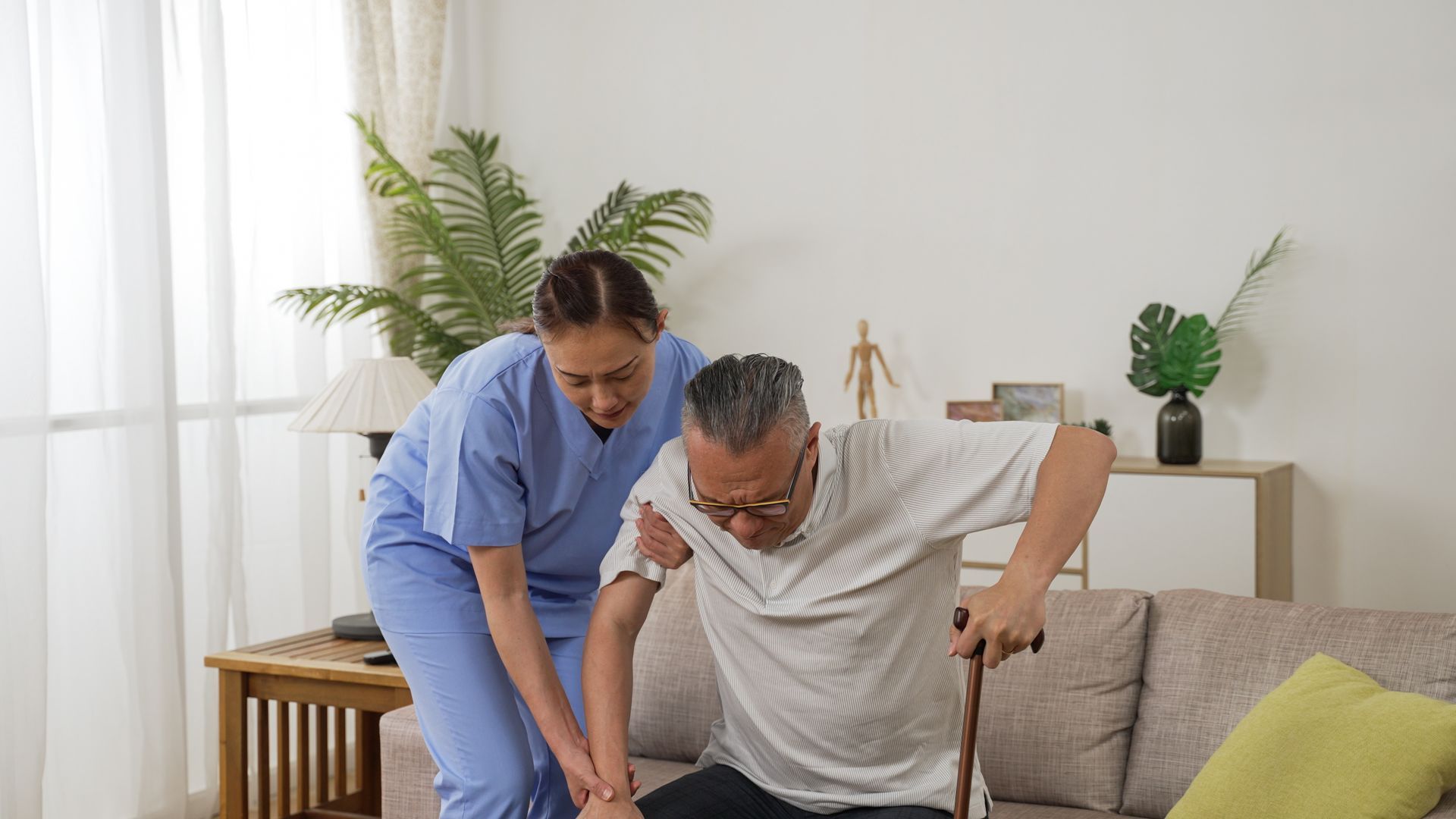
Senior care service supports the everyday needs that keep a senior safe and comfortable. Caregivers may assist with bathing, dressing, grooming, meal preparation, light housekeeping, medication reminders, and transportation to appointments. They also provide companionship, which matters for seniors who spend long stretches alone.
What Skilled Home Health Covers
Skilled home health addresses medical needs. A licensed nurse may manage a wound, monitor a chronic condition, or teach a family how to care for a new medical device. A physical or occupational therapist may work on strength, balance, or return to daily activities. This care requires a physician's order and a formal plan.
When Senior Care Service Makes Sense in Orange Park
Non-medical senior care often fits seniors who are largely independent but need help with daily routines. A senior who is managing a chronic condition, recovering from surgery without skilled needs, or living with memory changes may benefit from a regular caregiver.
Families also turn to senior care when they need a break. Respite care gives a family caregiver time to rest, run errands, or attend to their own work, while the senior receives steady support at home.
When Skilled Home Health Is the Right Choice
Skilled home health fits when a senior needs medical treatment at home. A physician must order it, and the senior generally needs skilled nursing or therapy on an intermittent basis. Leaving home must also take considerable and taxing effort, which is why many seniors receive home health after a hospital stay.
Families should ask the doctor or hospital discharge planner whether the senior qualifies. The answer depends on the medical need, not on the family's preference.
Can a Senior Use Both Types of Care?
Yes, and many families do. A senior may receive skilled home health for a short period after surgery, then move to non-medical senior care for daily support. Some families begin with senior care and add skilled services when a medical need appears.
Families who use both should keep a shared calendar and one list of medications so every caregiver works from the same information. Costs and coverage also differ, so ask each provider what is covered before care begins.
Coordination matters when a senior uses both types of care. Caregivers and clinicians should share information about changes in condition, so the senior's care plan stays consistent from one provider to the next.
How to Decide Between Senior Care and Home Health
A few questions can guide the decision:
- Does your loved one need medical treatment, such as wound care or therapy, or mainly daily help?
- Has a doctor ordered home health, or does the family need support without a medical order?
- Is the senior mostly independent, or do they need hands-on help with bathing, dressing, or mobility?
- Will the family need regular help over months or years, or only during a recovery period?
Answering these questions usually points toward one option or the other. If the decision still feels uncertain, families can start with a free consultation. Describing the senior's daily routine and needs helps the team point the family toward the right kind of support and gives the doctor a clearer picture of everyday challenges at home. A conversation with the senior's doctor and a care coordinator can also clarify the next step.
Get Help Choosing the Right Care in Orange Park
Choosing between senior care service and home health care is one of the most important decisions a family can make. The right answer depends on the senior's medical needs, daily routine, and the family's goals. Clear information makes that decision easier.
By Your Side Senior Care, Inc. provides non-medical senior care in Orange Park, FL, from its Fleming Island office. The agency offers personal care, companion care, and respite care, with flexible scheduling. For a free consultation, call (904) 579-3059. You can also contact the team online or review the senior care services the agency offers.